

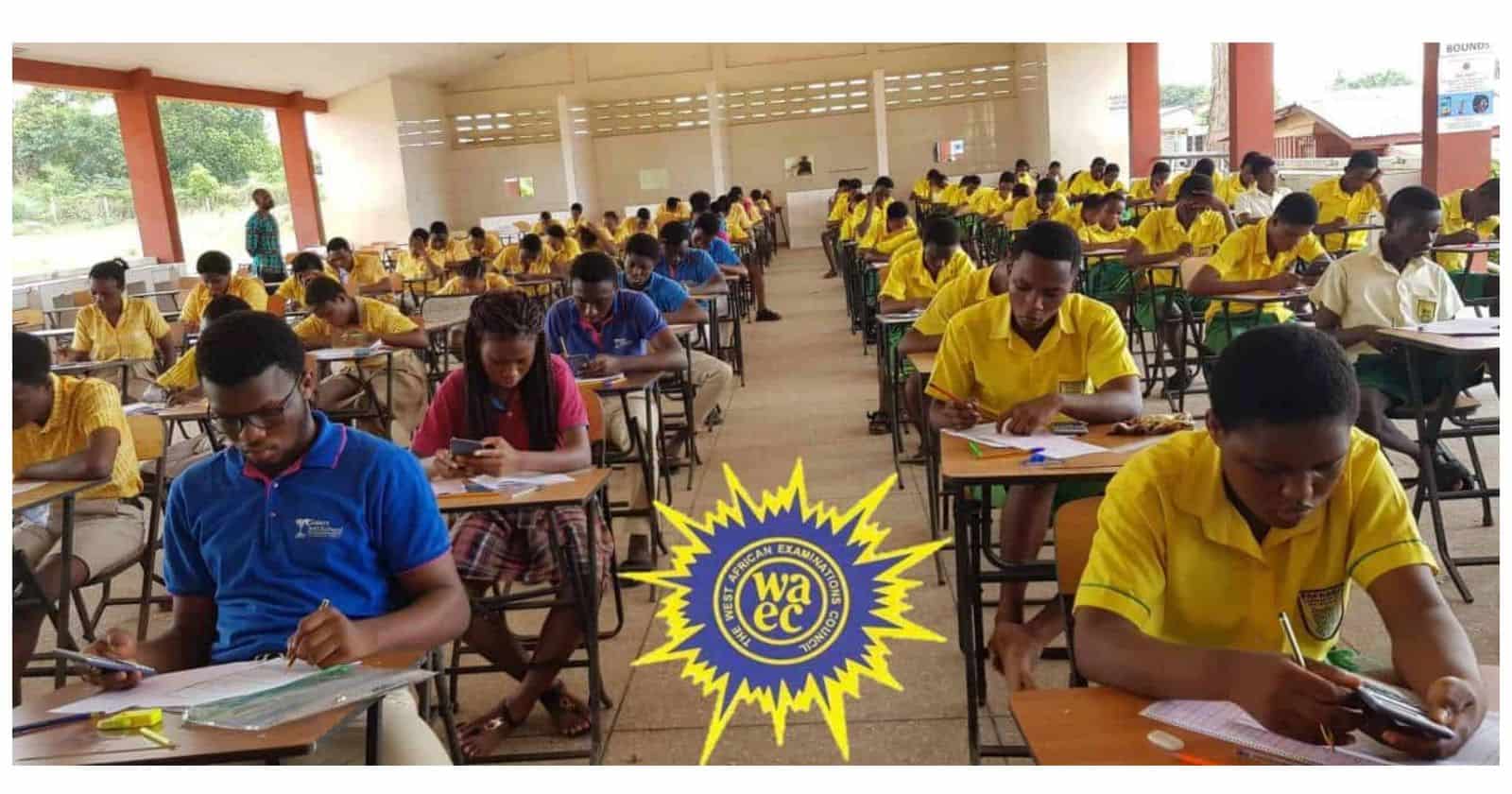
The Senate on Tuesday intervened in a growing dispute within Nigeria’s education sector, summoning the Minister of Education, Dr. Tunji Alausa, and the Head of WAEC National Office, Dr. Amos Dangut, to explain recently introduced examination guidelines that lawmakers fear could jeopardise the academic future of hundreds of thousands of secondary school students.
At the heart of the uproar are new WAEC rules for candidates preparing for the 2025/2026 Senior Secondary Certificate Examination (SSCE). The Senate warned that the sudden implementation of these changes—barely months before the exams—could lead to widespread failure and heighten uncertainty in the education system.
Leading the motion, Senator Sunday Karimi (Kogi West) criticised WAEC’s decision to enforce the new curriculum immediately, despite earlier assurances that the reforms were meant to begin in two years. He said the guidelines were originally designed for students currently in SS1, who are expected to sit for the examination in the 2027/2028 academic session, not those already preparing for next year’s exams.
Karimi noted with concern that subjects such as Computer Studies, Civic Education, and all previously approved trade courses had been removed from the 2026 SSCE subject list. According to him, this sudden change disrupts years of academic planning by students and schools nationwide.
Even more alarming, lawmakers observed, is the ripple effect of these removals. With the eliminated subjects, students across science, humanities and commercial tracks are left with only six examinable subjects—fewer than WAEC’s requirement of at least eight and no more than nine subjects. This would force students to quickly pick up two or three entirely new subjects they have never been taught, just months before the examinations.
While acknowledging the relevance of the newly introduced trade subjects—such as Beauty and Cosmetology, Fashion Design, Livestock Farming, GSM Repairs, Solar Photovoltaic Installation, and Horticulture—senators insisted that examining students on these courses without prior training would only set them up for failure. Karimi warned that such abrupt implementation is the foundation for mass failure, urging WAEC to adopt a gradual and humane transition.
Lawmakers across party lines agreed that although curriculum updates are necessary, applying the changes to the current SS3 students would be unfair and damaging. They called for the new guidelines to take effect from the 2027/2028 examination cycle, ensuring students have adequate preparation time.
Senator Adams Oshiomhole offered a blunt assessment, criticising what he described as a pattern of hasty policymaking without adequate preparation. He questioned whether schools have the teachers, facilities, or laboratories required to support the new reforms, arguing that such gaps expose Nigeria to embarrassment.
Senator Idiat Adebule supported the motion but stressed the need for proper investigation, noting that major decisions of this nature are usually deliberated by the National Council of Education, which includes all state commissioners for education. Senator Adeola Olamilekan, Chair of the Appropriations Committee, also insisted that no examination body should test students on subjects they have not been taught.
Senate President Godswill Akpabio, in his closing remarks, questioned the rationale behind removing key subjects like Computer Studies and Civic Education at a time when Nigeria is promoting digital literacy and national values. He emphasised the need to verify the accuracy of the reported changes.
The matter has now been referred to the Senate Committee on Basic and Secondary Education, which has been directed to investigate the new WAEC guidelines and report back within two weeks. The move has raised expectations among parents, teachers, and students that the looming crisis may still be resolved.