
The Kano State Universal Basic Education Board (SUBEB) has unveiled plans to hire 4,000 additional teachers as part of ongoing efforts to improve foundational literacy and numeracy in public primary schools across the state.
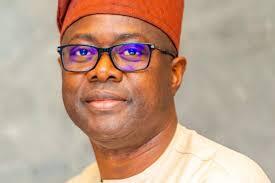
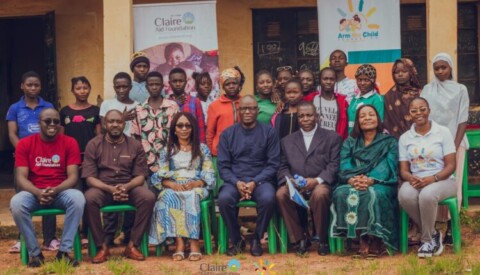
SUBEB Executive Chairman, Yusuf Kabir, announced the move during the 2025 Learning Assessment Outcome quarterly review meeting held in Kano. The session — supported by the UK Government through the Partnership for Learning for All in Nigeria (PLANE) programme — reviewed pupils’ performance across all 44 local government areas.
Kabir, represented by the Board Secretary, Hajiya Amina Umar, said the state continues to face a serious shortage of qualified teachers, despite the recent recruitment of 4,343 new personnel.
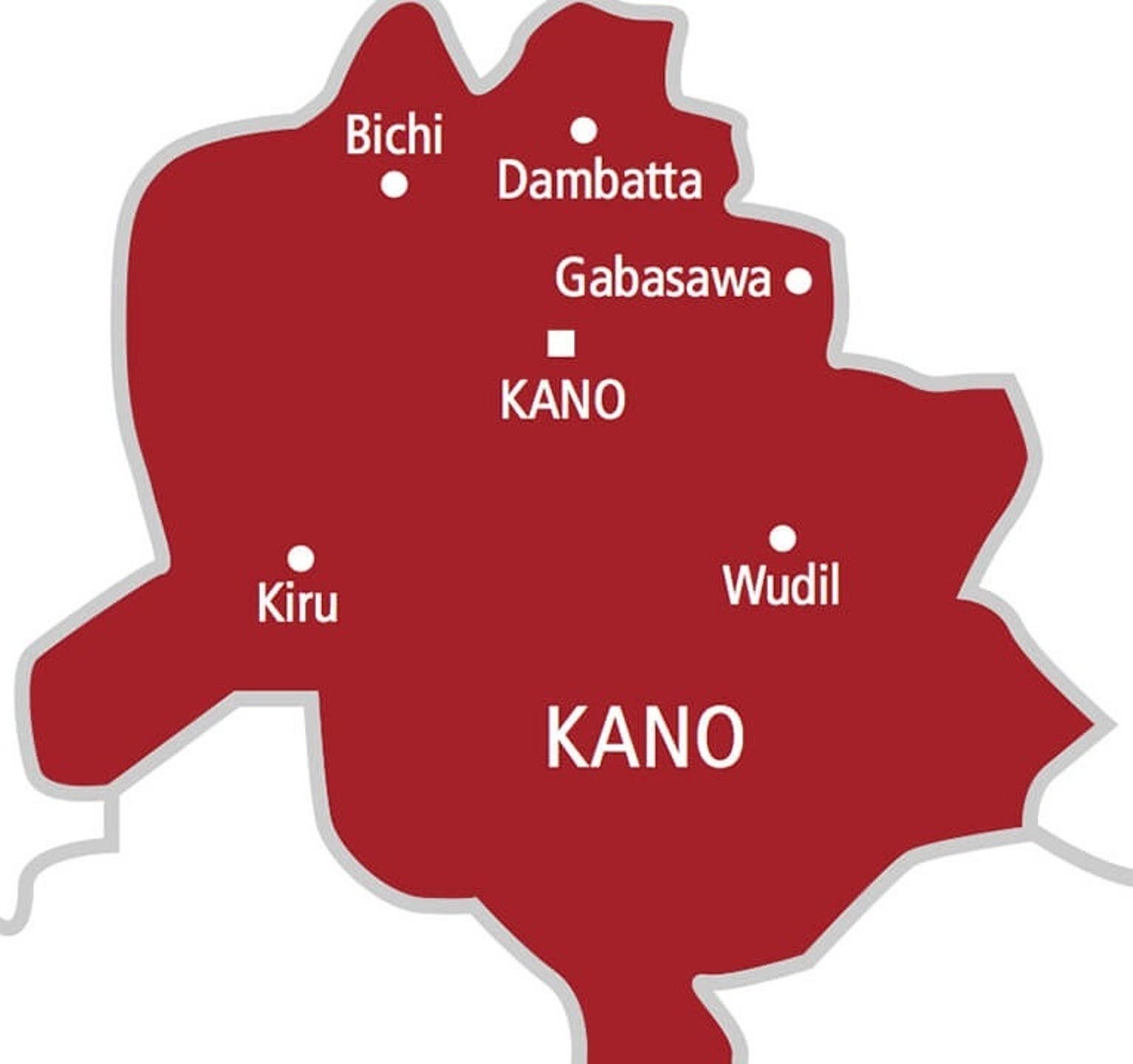
“We have already submitted a request for the recruitment of 4,000 more teachers, and we are seeing strong interest from applicants,” he said. “To ensure fairness and efficiency, seven CBT centres are being set up in Wudil, Bichi, and other locations for the aptitude tests.”
He noted that Kano is working to address its worrying teacher–pupil ratio, which in some communities stands at 1:132, with the state aiming to reduce it to a more acceptable 1:60.
Stakeholders at the meeting also highlighted ongoing concerns about pupil attendance. Education expert Dr. Miswaru Bello revealed that around 40% of pupils in the state still fail to attend classes regularly. He added that teacher absenteeism is at about 12%, cautioning that such trends could negatively affect learning outcomes.
Umar noted that SUBEB is exploring the possibility of providing residential placements for newly recruited teachers, alongside other measures to address manpower shortages in underserved communities.
The meeting concluded with recommendations for expanding accelerated learning holiday camps, strengthening school coaching initiatives, and intensifying monitoring of both pupil and teacher attendance to improve overall learning outcomes in Kano’s basic education system.