

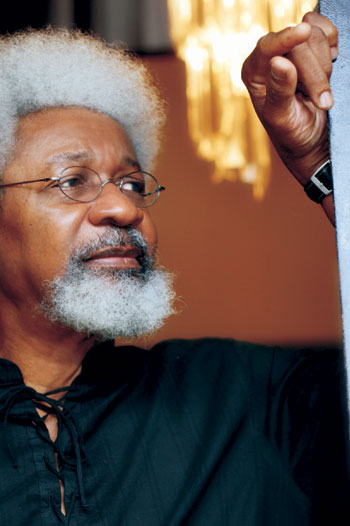
Nobel Laureate, Prof. Wole Soyinka, has called on the Federal Government to take urgent measures to enhance security in schools across Nigeria, warning that the ongoing attacks on students and teachers threaten the future of education in the country. He made the plea during a weekend visit to his alma mater, Government College, Ibadan, expressing deep concern over the escalating violence targeting educational institutions.
Soyinka highlighted that Nigeria’s insecurity crisis has become a major barrier to learning, noting that schools—once safe spaces for growth and creativity—are now increasingly zones of fear. He pointed out that the frequent kidnappings, killings, and harassment of students nationwide have created an environment where education struggles to thrive.
“The situation has reached a point where urgent and drastic measures are necessary to protect the lives of students and the larger society,” Soyinka stated, stressing that insecurity now permeates every aspect of national life, from homes to schools.
Advocating for decentralised security structures, he suggested that community-level intelligence gathering and rapid response systems could significantly reduce attacks, especially in remote schools with limited state security presence. Soyinka argued that centralised approaches alone have proven insufficient in addressing emerging threats to education.
He further proposed integrating security awareness into school curricula, from basic to tertiary levels, to equip students with knowledge on personal safety, emergency response, and vigilance. According to him, such training would empower learners to respond effectively in crises and contribute to broader national security consciousness.
“Security should be treated with such seriousness that it becomes a discipline taught in schools,” he said, noting that constant fear undermines learning, stifles creativity, and poses long-term risks to national development.
Soyinka called for collaboration among government agencies, educators, civil society, and school administrators to establish a unified framework for security education. He emphasized that a combination of theoretical instruction, safety drills, and practical emergency exercises would help build confidence among students and teachers, who often feel vulnerable.
He also highlighted that the effects of insecurity extend beyond students to include teachers, health workers, farmers, and traditional leaders, but stressed that its impact on education is particularly damaging as it disrupts academic calendars, causes school closures, and discourages parents from sending children to school.
During the event, Dr. Wale Babalakin, President of the Government College Ibadan Old Boys Association, commended the Oyo State Government for concessioning the school to its alumni association. He noted that the arrangement has upgraded infrastructure, modernized learning facilities, and restored the institution to its former high standards.
Babalakin urged students to fully utilize the improved facilities, emphasizing that a conducive learning environment is critical for educational success. He described education as a powerful tool and called on parents, teachers, and stakeholders to support young learners in achieving excellence.
The gathering also served as a platform to discuss sustaining infrastructural development, enhancing alumni involvement, and ensuring students learn in a secure and motivating environment. Participants agreed that safer schools are essential to reviving academic excellence and reducing students’ vulnerability to attacks.
Soyinka reiterated that his call for stronger school security is not alarmist but a necessary response to escalating attacks on educational institutions. He emphasized that the Federal Government must implement comprehensive strategies to prevent schools from becoming easy targets, insisting that every child has the right to learn without fear.
“Security should no longer be reactive,” Soyinka concluded. “It must be proactive, comprehensive, and inclusive, so that all children have the opportunity to learn and thrive in a safe environment.”